Parnika Metal Industries
Binding wire is a type of wire commonly used in construction and other industries for tying or binding materials together. It is typically made of mild steel and is used to hold steel bars, pipes, or other construction elements in place during the building process. The wire is flexible and can be easily twisted or bent to secure objects.
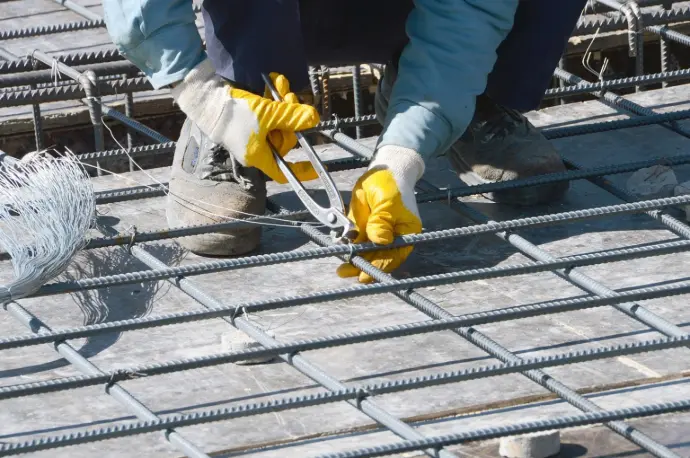
In construction, binding wire is especially crucial when working with reinforcement bars (rebars) in concrete structures, where it is used to tie rebar cages together before concrete is poured.
Advantages
Binding wire offers several advantages, particularly in construction and other industrial applications. Some of the key benefits include:
1. Flexibility and Ease of Use: Binding wire is highly flexible and can be easily bent and twisted, making it simple to secure materials like steel bars, pipes, or rods. It requires minimal tools and can be applied quickly.
2. Cost-Effective: It is an affordable material, especially when compared to other methods of securing materials. This makes it a cost-effective solution for construction projects.
3. Strong and Durable: Despite being thin, binding wire is made of steel, which provides strength and durability, ensuring that it can hold materials securely in place for long periods.
4. Prevents Shifting: In construction, binding wire helps prevent the shifting of reinforcement bars (rebars), ensuring that they stay in the correct position during concrete pouring. This contributes to the structural integrity of the finished project.
5. Corrosion Resistance: Many binding wires are coated with a corrosion-resistant material, which helps to extend their lifespan, especially when used in outdoor or harsh environments.
6. Versatility: Binding wire can be used in a wide range of applications beyond construction, such as in gardening (e.g., to tie plants), electrical work, and manufacturing processes.
7. Lightweight: The wire is lightweight, making it easy to transport and handle without requiring heavy lifting or special equipment.
These qualities make binding wire an essential and reliable tool in many industries, especially construction.
Manufacturing Process
The manufacturing process of binding wire involves several steps, primarily focused on shaping and conditioning steel wire to meet the required strength, flexibility, and durability standards. Here’s an overview of the process:
1. Raw Material Selection
The first step involves selecting the raw material, which is typically mild steel or low-carbon steel. Steel rods or coils are used as the starting material for manufacturing binding wire.
2. Wire Drawing (Reduction of Diameter)
• In this step, large steel rods (often referred to as billets) are passed through a series of dies in a wire drawing machine.
• The process gradually reduces the diameter of the rod to a thinner wire, usually in sizes ranging from 0.5mm to 4mm, depending on the desired thickness of the binding wire.
• The wire is drawn multiple times, each time through progressively smaller dies, to achieve the final diameter.
3. Annealing (Softening Process)
• After wire drawing, the wire becomes hard and brittle. To make it more flexible and easier to handle, the wire is annealed.
• Annealing is a heat treatment process where the wire is heated to a specific temperature and then cooled slowly. This process softens the wire, increases its ductility, and makes it more flexible, which is essential for easy tying and bending.
4. Coating (Optional)
• Some binding wires are coated with materials like copper or zinc to provide corrosion resistance, especially when the wire is used outdoors or in environments prone to rust.
• This is often done through processes like galvanization (zinc coating) or electroplating.
5. Spooling
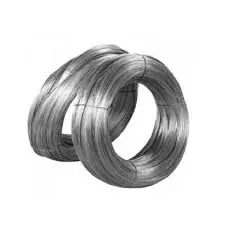
• After the wire has been drawn and annealed (and optionally coated), it is wound into coils or spools.
• These spools vary in size depending on the desired weight and length of wire in each coil. The wire is carefully wound to prevent tangling and ensure ease of use during application.
6. Quality Control and Testing
• Throughout the manufacturing process, the wire undergoes various quality checks to ensure it meets the required standards for tensile strength, flexibility, and finish.
• Tests may include measuring the wire’s diameter, checking its hardness, and ensuring there are no defects like kinks or cracks.
7. Packaging
• Once the binding wire is spooled and passes quality control, it is packaged for shipment.
• The wire may be bundled into different quantities based on customer needs and then sealed to prevent damage during transportation.
By the end of this process, the binding wire is ready for use in construction, gardening, electrical work, and other applications.